
Starts visit one
Pain
Stop the catch.
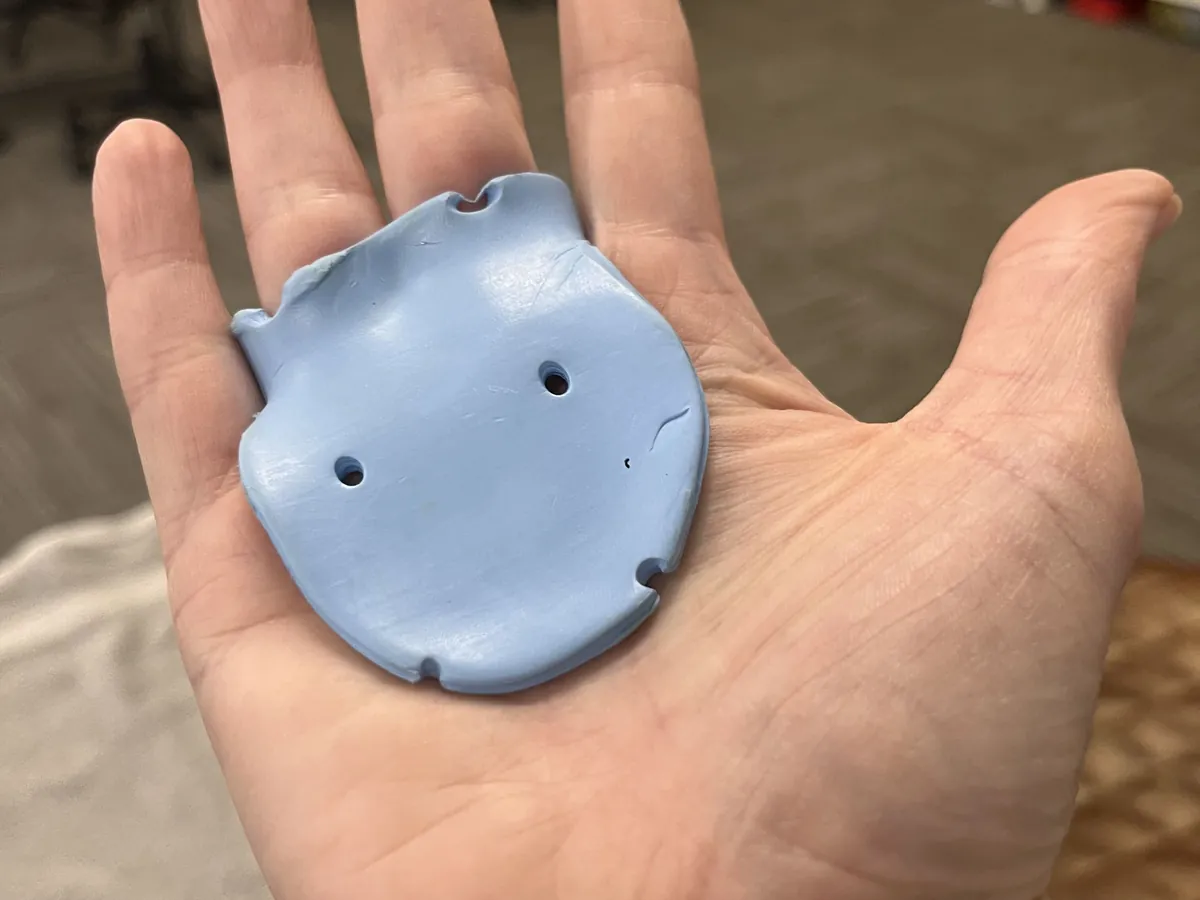
A small splint molded to block the finger from bending into the catch, so the tendon gets a real chance to calm down.
What We Treat
A finger that catches on the way to bending, locks for a second, then pops straight. That is a tendon squeezing through a pulley it has outgrown, and it responds well to the right plan.
Sound Familiar?
Two or more? Keep reading.
Why It Happens
Each finger tendon runs through a series of tunnel-like pulleys that hold it close to the bone as you bend and straighten. When the tendon or its sheath becomes irritated and swells, it no longer slides smoothly through the first pulley at the base of the finger. It catches, then forces its way through with a pop, which is the trigger you feel.
Trigger finger is common after repetitive gripping, and it can also show up without an obvious cause. Left alone, the catching usually gets more frequent, not less, and the finger can eventually lock in a bent position. A cause-first evaluation identifies how far along it is and what is aggravating that tendon, then builds a plan around calming it down before it progresses.
The Honest Truth
Nobody regrets starting too early. Read our reviews and you will find people who wish they had come in sooner.
How We Fix It
Every plan has an endpoint. Here is what the four phases look like for trigger finger.
Starts visit one
Pain
A small splint molded to block the finger from bending into the catch, so the tendon gets a real chance to calm down.
Once the catching eases
Prime
Tendon gliding exercises restore smooth motion through the pulley, without forcing the catch to test it.
Once the motion holds
Perform
Graded strengthening for grip and pinch, so the finger handles real tasks without triggering again.
Before discharge
Prevent
We adjust the tool, handle or repetitive grip that loaded that tendon in the first place. That is the endpoint, not another appointment.
I developed a trigger thumb on one hand and a trigger ring finger on the other. I was referred to the clinic where Amy worked at the time. She was able to clear up the trigger thumb and improved the finger but since I had had it for so long , it still required surgery. Amy was able to loosen up the stiff and swollen joints after surgery, and gave me full use of the finger again. She was a miracle worker! Amy is very friendly and personable, and always made me feel comfortable, and made this process enjoyable!
Shared by Bonnie M. · Trigger finger
Where you start: a finger that catches, locks, then pops straight
Where the plan ends: a finger that bends and straightens without a catch
Questions, Answered
Not always, and catching it earlier improves the odds that splinting and therapy alone resolve it. The longer a trigger finger has been locking, the more likely a physician may eventually recommend a release. Either way, your evaluation tells you where things stand, and we work alongside your physician if surgery becomes the right call.
Forcing it through the catch repeatedly tends to keep the tendon irritated. The splint we fit blocks the motion that causes the catch in the first place, which gives the tendon a real break instead of asking you to muscle through it several times a day.
That depends on what the evaluation finds, so we tell you after we look, not before. What you get either way is a plan with an endpoint. You will know which of the four phases you are in, Pain, Prime, Perform or Prevent, and what is left before you are done. No open tab of appointments.
Book Your Visit
Request a time and a real person from our front desk calls you back to get you scheduled. No phone tree. No ‘someone will reach out.’ Just a plan.
5.0 · 146 Google reviews
Your request goes straight to our front desk
Step 1 of 5
That’s the hard part done. We’ll call during clinic hours to get you on the schedule and tell you what to bring.
Visit Us