Care for every kind of comeback.

Nineteen services, from certified hand therapy and custom molded splints to neurological and cognitive rehab. Every one of them starts the same way: a cause-first evaluation, one-on-one with a licensed Occupational Therapist, several board-certified in hand therapy (CHT), every visit.

One-on-one, every visit We check your benefits first

Explore Each Service

Nineteen ways in. One therapist.

Whichever of these you end up needing, you get one licensed Occupational Therapist for the whole visit. No rotating techs, no guessing who is treating you.

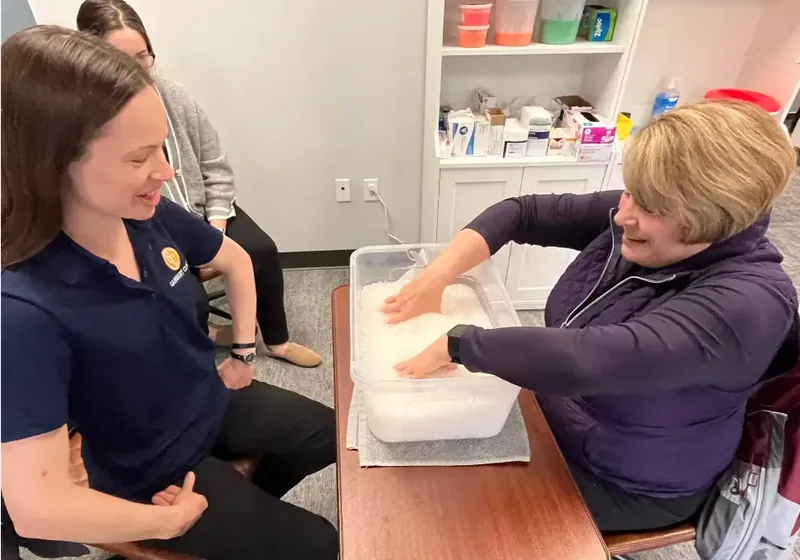
Certified hand therapist working with a patient during a warm paraffin treatment
Hand Wrist Elbow

Certified Hand Therapy

Hand therapy is its own sub-specialty, and CHT is its board certification: a graduate degree, 4,000 hours of hand practice, and an exam most people do not pass on the first try. Our Certified Hand Therapists hold it. That is unusual for one clinic, and it is the reason surgeons in Clark County send their post-op hands here.

  • A therapist who works on hands all day, every day
  • Splints fabricated and remolded in the room with you
  • We talk to your surgeon so you do not have to relay it
Learn More
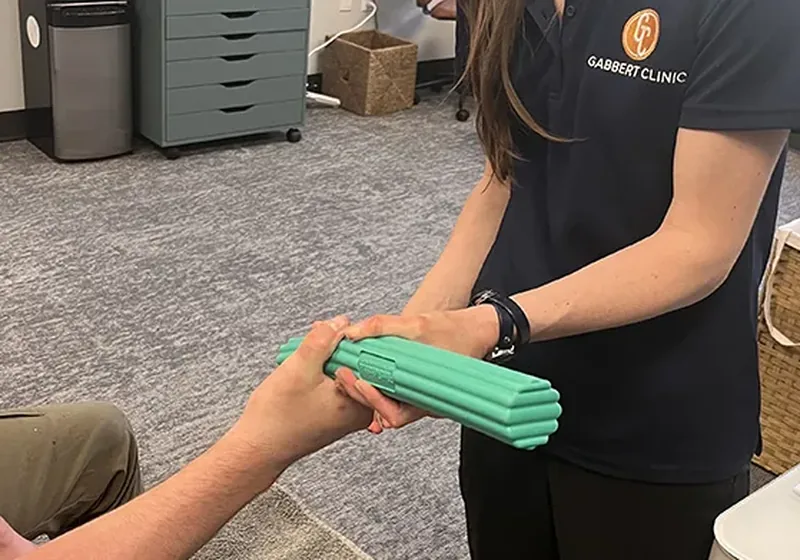
Occupational therapist guiding a patient through a resistance putty exercise
Daily function Post-op Chronic pain

Occupational Therapy

Occupational therapy asks a different question than most rehab: not how far the joint bends, but whether you can do the thing you needed it for. Buttons. Keys. A steering wheel. A hairbrush. We start with a cause-first evaluation, then build the plan backwards from the task you want returned.

  • Treatment aimed at your actual day, not a range-of-motion chart
  • One-on-one with a licensed Occupational Therapist, every visit
  • A plan with an endpoint you can see from day one
Learn More
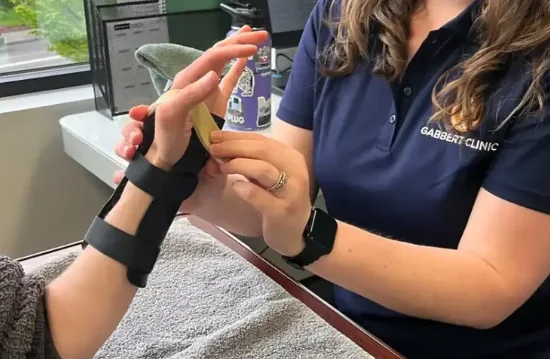
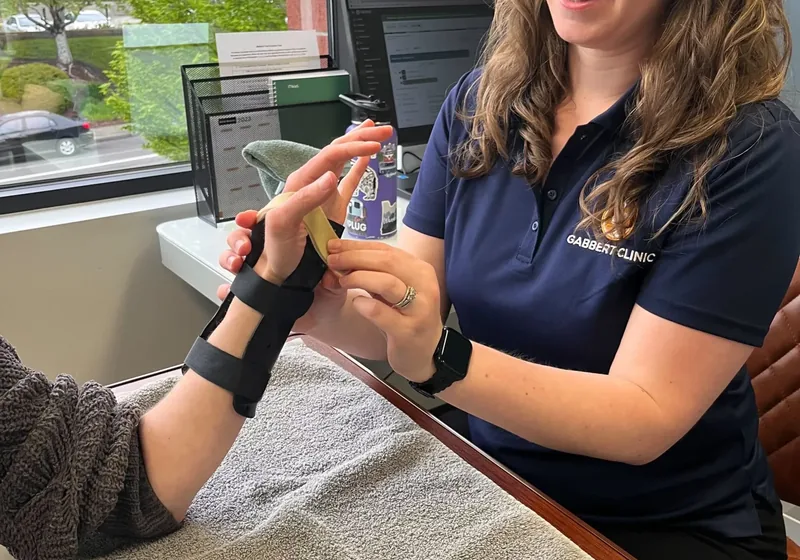
Gabbert Clinic therapist fitting a black custom molded wrist and hand splint on a patient seated at a treatment table
Made here Post-op Same day

Custom Molded Splints

A splint off a shelf fits the average hand. Yours is not average, and after surgery it changes shape week to week. We heat, mold and trim yours in the clinic, on your arm, then remold it as the swelling drops so it keeps protecting the right structures instead of the ones that already healed.

  • Molded on you, not selected from a bin
  • Remolded free as your swelling changes
  • Static, dynamic and outrigger designs made in-house
Learn More
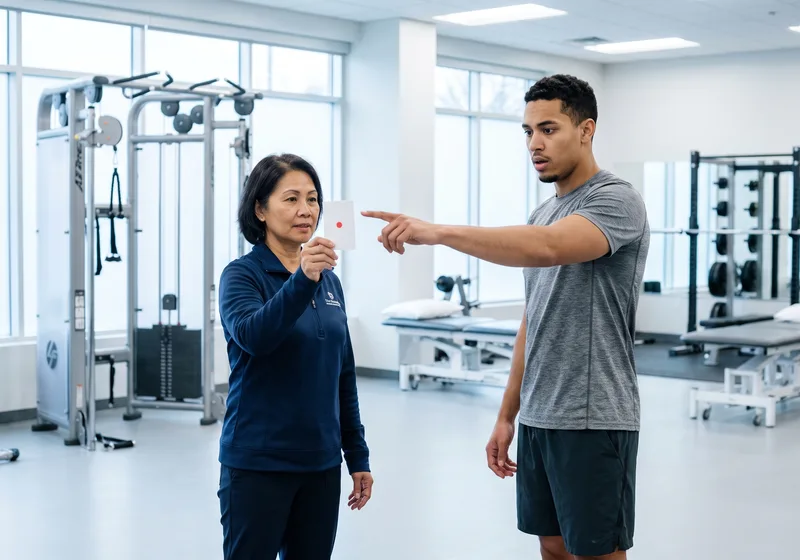
Therapist guiding a patient through a vestibular gaze-tracking exercise
Stroke TBI Parkinson’s

Neurological Rehab

After a stroke or a brain injury the arm and hand are usually the last things to come back, and they are usually the first things people give up on. Our team is Saebo certified, which means we have specific tools and protocols for a hand that will not open yet, rather than a shrug and a home program.

  • Saebo certified protocols for the affected arm and hand
  • Work that targets function, not just tone
  • We keep going after other clinics have discharged you
Learn More
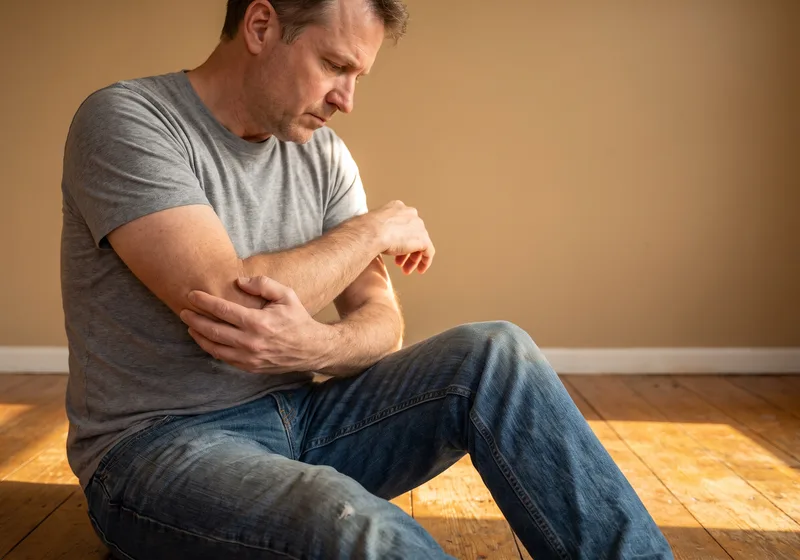
Patient holding an elbow affected by tendinitis
Fractures Tendons Stiffness

Orthopedic Therapy

Fractures, tendon repairs, ligament tears and the joint stiffness that follows all of them. We coordinate with your surgeon on the protocol, then handle the part they do not have time for: getting the motion back before scar tissue decides for you.

  • Protocols coordinated directly with your surgeon
  • Scar and edema managed from the first visit
  • Strength returned in a sequence, not all at once
Learn More
Therapist performing hands-on soft tissue work on a patient's forearm
Hands-on Stiffness

Manual Therapy

Hands-on joint and soft tissue work, done by the therapist treating you rather than handed to an aide. It is how we get a stiff wrist to move before we ask it to work, and it is why most people notice a change inside the first visit.

  • Performed by your therapist, not delegated
  • Targets the restriction, not the sore spot
  • Paired with exercise so the gain holds
Learn More
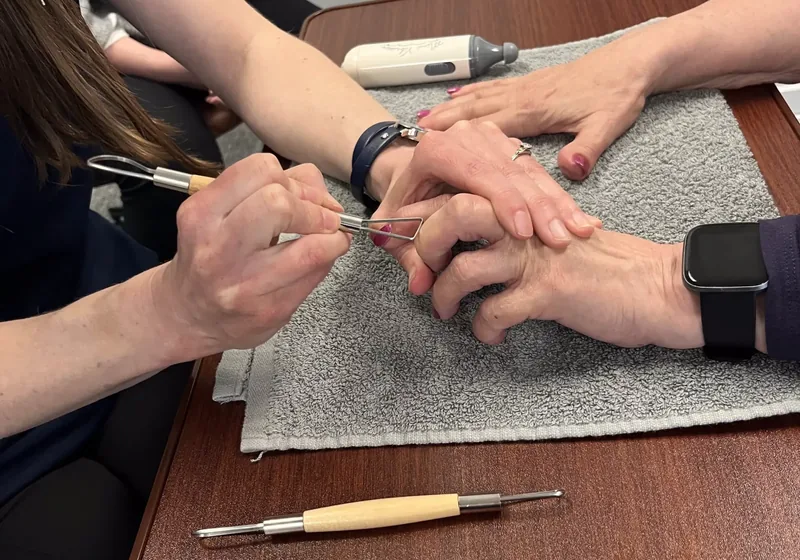
Therapist using instrument-assisted work on a patient's hand
Scar tissue Tightness

Myofascial Release

Fascia is the sheet that everything in your forearm slides through. When it thickens after an injury or a surgery, the muscle underneath is fine and the movement still is not. Slow, sustained pressure gets that layer gliding again.

  • Good for scar tissue that has stopped responding
  • Slow work, held long enough to actually change
  • Often the missing piece in a stalled recovery
Learn More
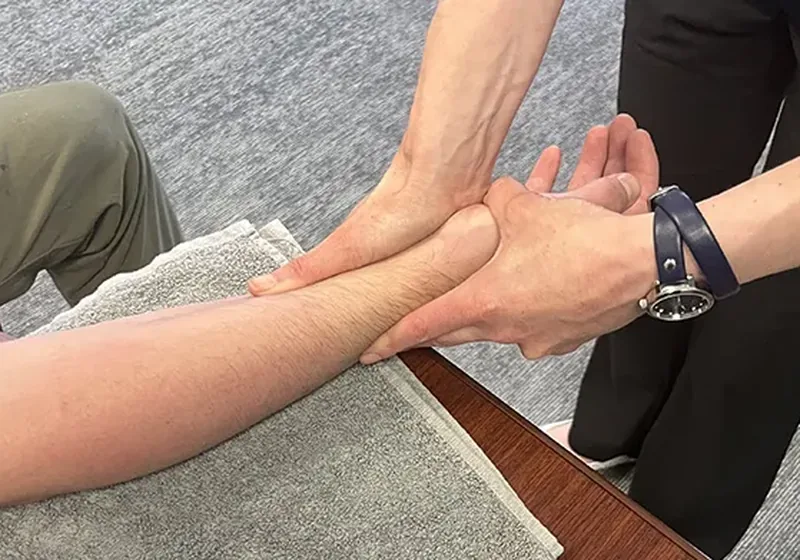
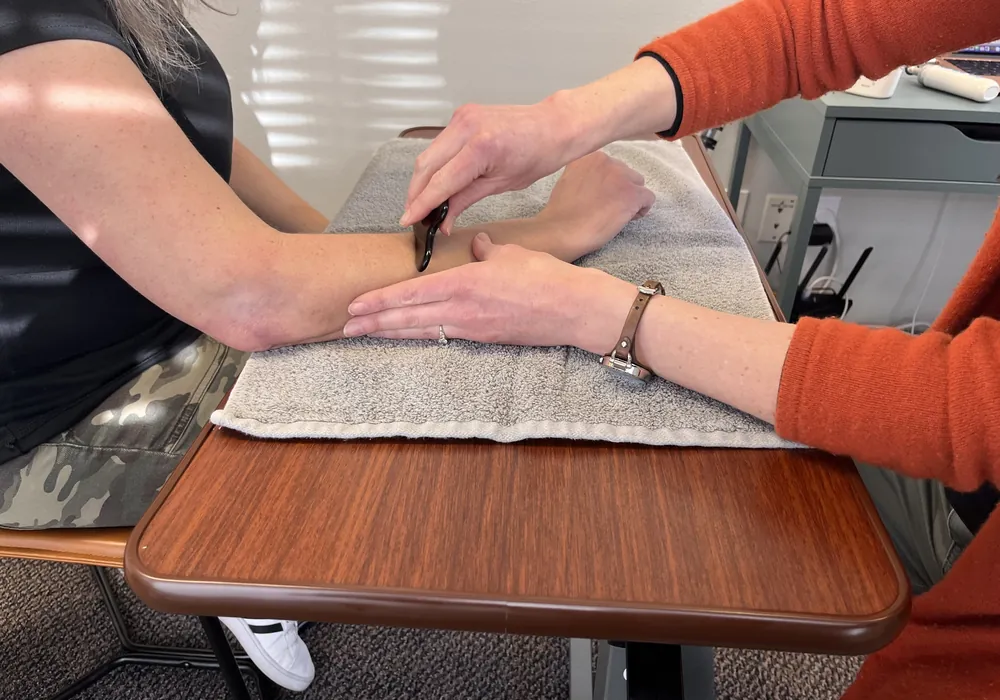
Therapist working along a patient’s forearm with a handheld soft tissue tool while stabilizing the arm on a towel-covered table
Repetitive strain Nerve

Active Release Technique

ART combines a specific hand contact with your own active movement, so the tissue is worked through its full glide rather than pressed on while it sits still. It is one of the better answers for repetitive strain and for nerves that have gotten stuck in scar.

  • Treats the tissue while it moves, not at rest
  • Built for repetitive strain from work or sport
  • Sessions are short and specific
Learn More
Instrument-assisted soft tissue tool being used along a patient's forearm
Scar tissue Chronic

IASTM

Instrument-assisted soft tissue mobilization: a bevelled steel or plastic tool that lets us find and work restrictions a thumb cannot feel. Best on old scar, chronic tendon problems, and forearms that never fully loosened after a cast came off.

  • Finds restrictions fingertips miss
  • Effective on scar that is months or years old
  • Combined with loading so the tissue remodels
Learn More
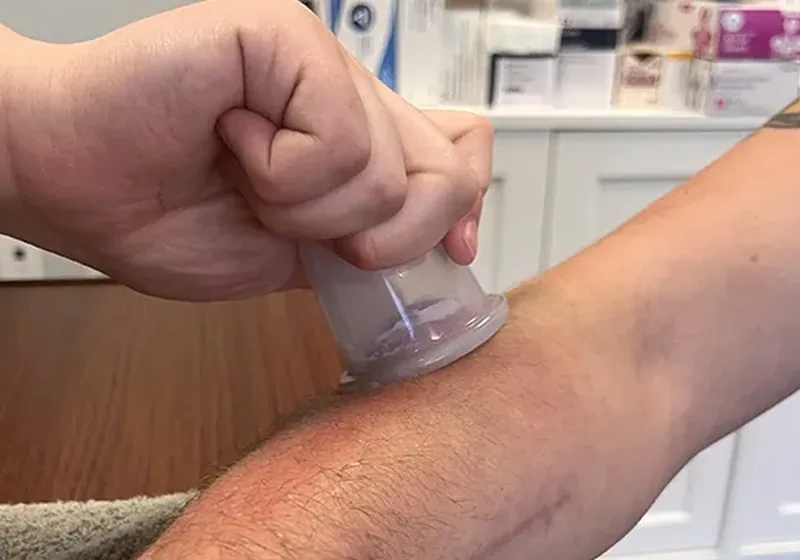
Silicone cupping applied to a patient's forearm
Circulation Tightness

Cupping

Suction cups lift the tissue instead of compressing it, which decompresses the layers and brings blood into an area that has gone quiet. We use it as a lead-in to movement work, not as a standalone treatment.

  • Decompresses instead of pressing down
  • Useful on forearms and shoulders that stay tight
  • Always paired with movement afterwards
Learn More
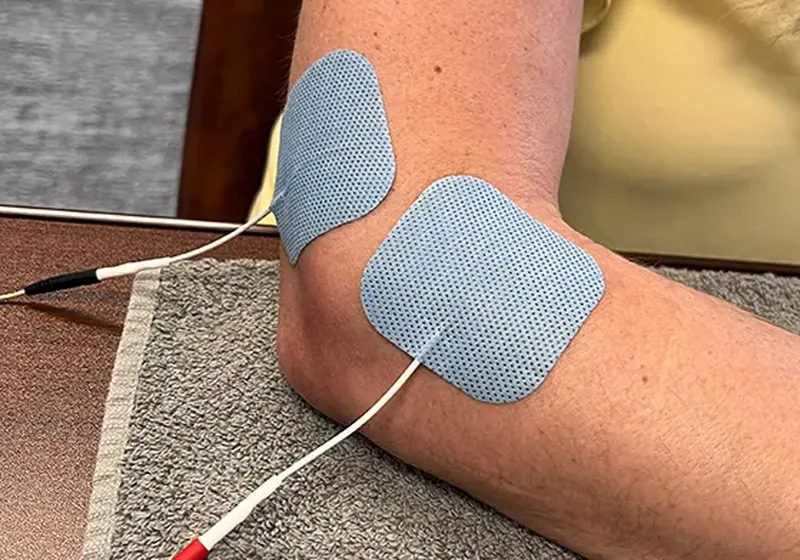
Electrode pads placed on a patient's elbow during a treatment session
Neuro Retraining

Biofeedback

When a muscle has stopped firing properly, the hard part is that you cannot feel it not firing. Biofeedback puts that signal on a screen so you can see the contraction you are trying to find. It is a fast way to reconnect a muscle after nerve injury or stroke.

  • Shows you the signal you cannot feel
  • Speeds up motor relearning after nerve injury
  • Objective progress you can watch improve
Learn More
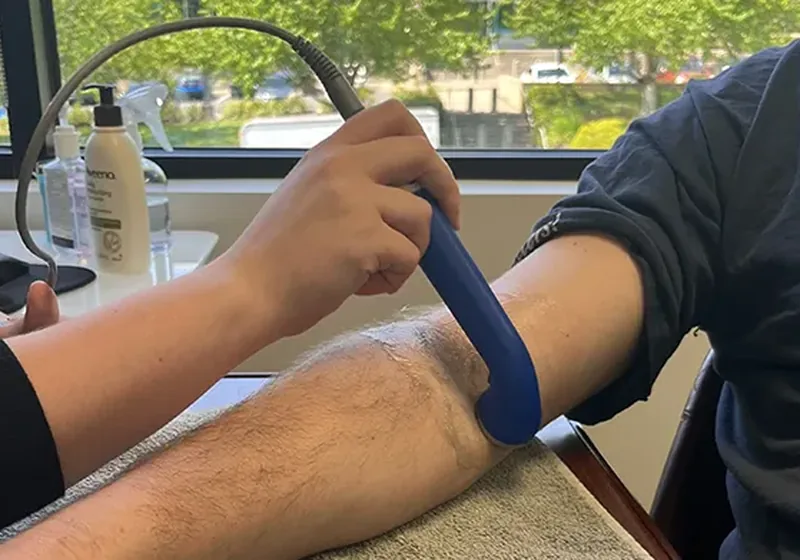
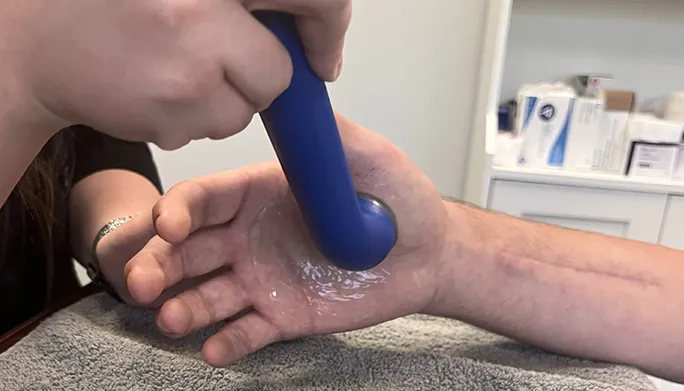
Therapeutic ultrasound wand with gel applied to a patient’s palm and wrist
Deep tissue Healing

Ultrasound

Therapeutic ultrasound drives sound waves into tissue deeper than hands can reach, to warm it before we mobilize or to nudge healing along in a stubborn tendon. It is an adjunct, and we will tell you plainly when it is not the right tool.

  • Warms deep tissue before hands-on work
  • Used on tendon problems that have stalled
  • An adjunct, never the whole treatment
Learn More
Therapist supporting a patient wearing a custom wrist orthosis
Neuro Tone

Spasticity Management

A hand held in a fist by tone is not a weak hand, it is an overactive one, and treating it like weakness makes it worse. We use positioning, splinting, sustained stretch and Saebo protocols to give the muscle a reason to let go, and we work with your physician around any injections.

  • Splinting and positioning that reduce tone, not fight it
  • Coordinated around Botox or baclofen timing
  • Focused on hygiene, comfort and function
Learn More
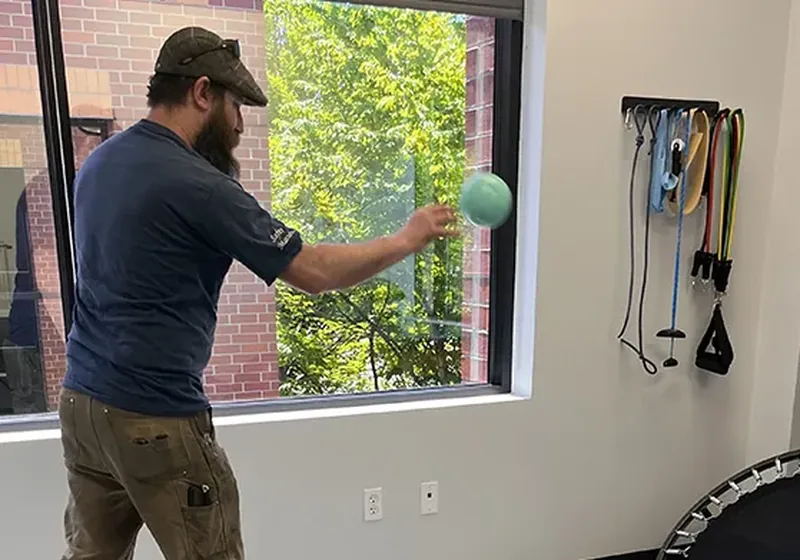
Patient working through a return-to-function ball drill in the therapy gym
Athletes Return to play

Sports Rehabilitation

Getting cleared and being ready are different dates. We rehab the injury, then load the arm the way your sport actually loads it, and we do not sign off until it holds up under that.

  • Return criteria based on testing, not the calendar
  • Loading that matches your sport, not a generic program
  • We talk to your coach and your physician
Learn More
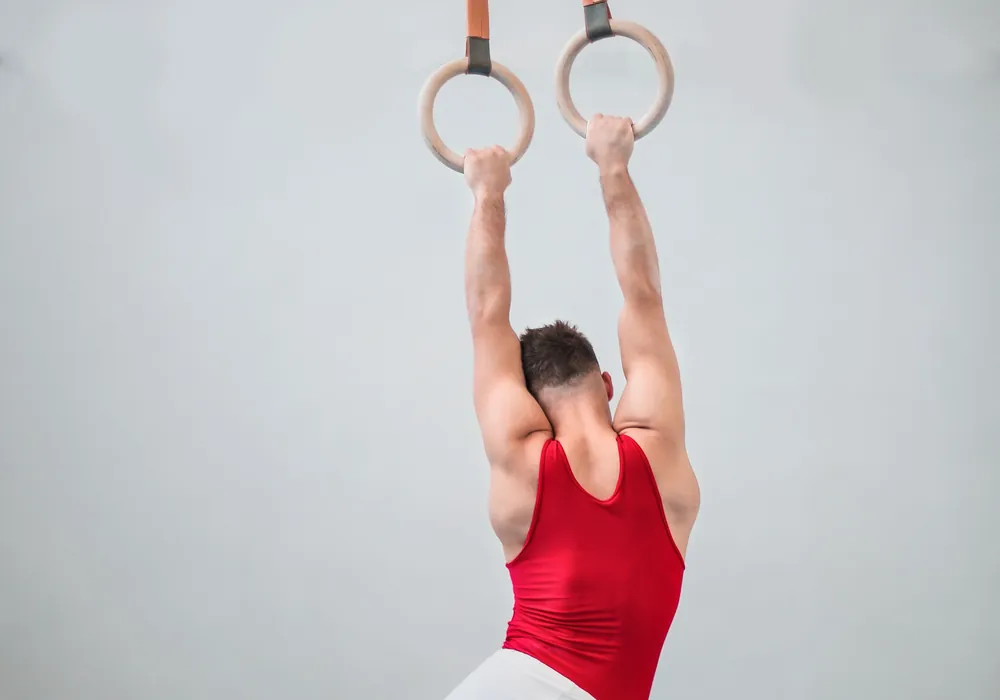
Gymnast in a red leotard hanging from wooden still rings with both arms extended overhead
Gymnasts Wrist

Gymnast Upper Extremity Rehab

Gymnasts load their wrists like the rest of us load our knees, and they are coached to work through it. We treat the wrist, then rebuild the tolerance for weight bearing in the positions the sport demands, so she is not back in here in six weeks.

  • Built around weight-bearing tolerance, not just pain
  • Progressions that match her events
  • Honest timelines you can give the coach
Learn More
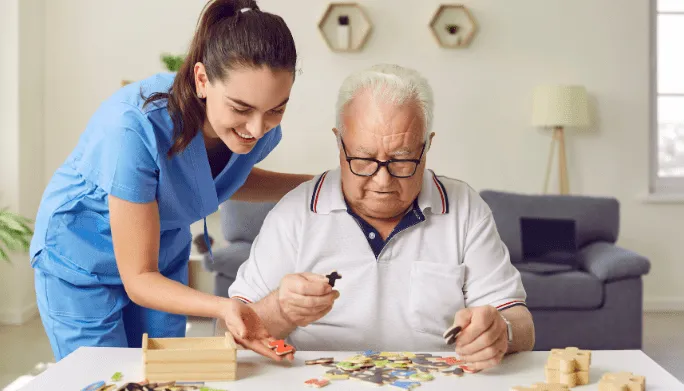
Clinician guiding an older patient through a tabletop puzzle exercise
Brain injury Memory

Cognitive Rehab

After a concussion, a stroke or a brain injury, the problem is often not that you cannot do the task, it is that you cannot hold the sequence, filter the noise, or find the word. Cognitive rehab builds strategies and stamina around exactly those gaps.

  • Targets attention, memory and sequencing
  • Strategies you use at work and at home
  • Progress measured against your own tasks
Learn More
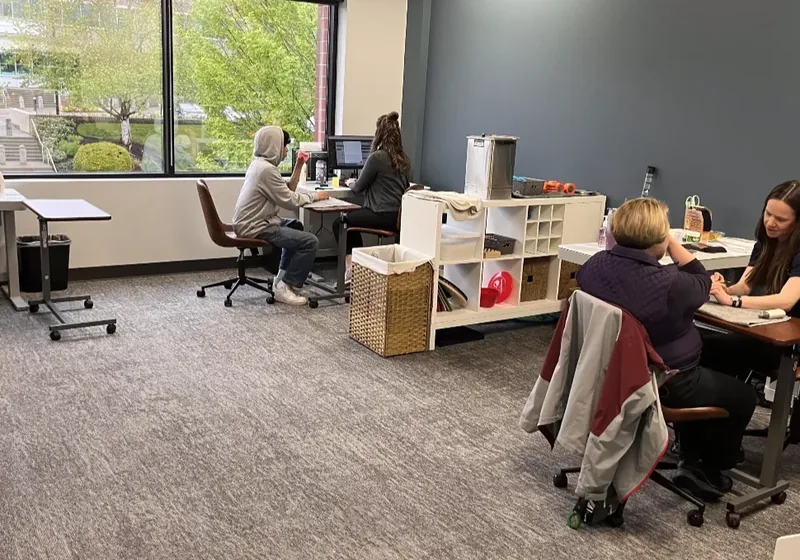
Open therapy gym at Gabbert Clinic in Vancouver, WA
Concussion Neuro

Vision Therapy

Your eyes can be 20/20 and still be part of the problem. After a concussion or a stroke, the two eyes often stop teaming, tracking or adjusting focus together, which is why reading and busy rooms feel awful. This is trainable.

  • For visual symptoms after concussion or stroke
  • Trains tracking, teaming and focus
  • Often the reason screens and stores got hard
Learn More
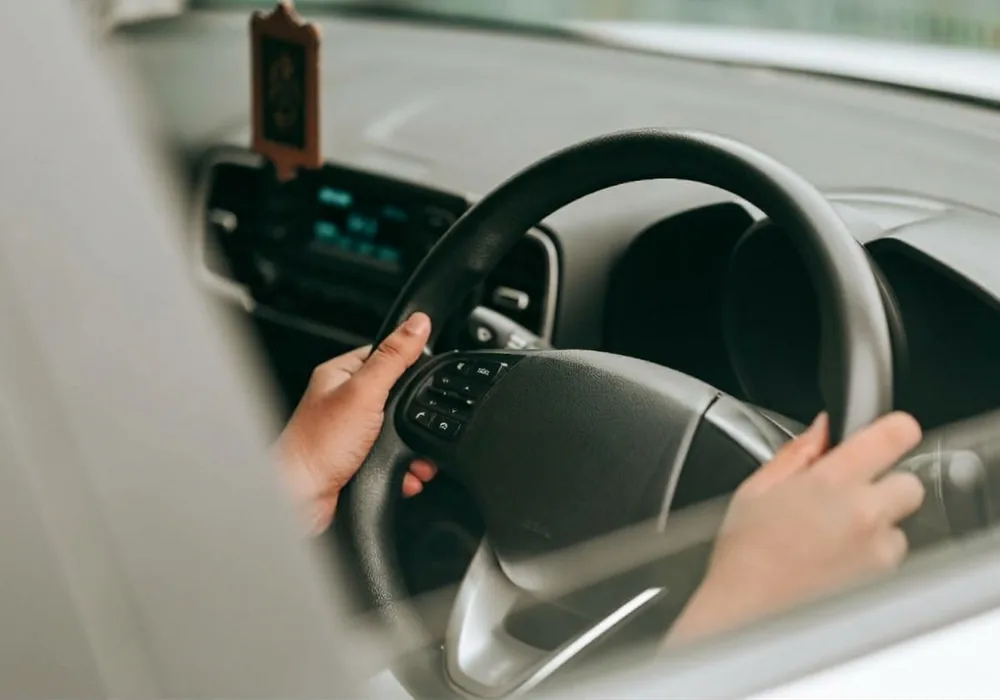
Driver’s hands holding a car steering wheel, seen from over the shoulder
Independence Neuro

Pre-Driving Program

Driving is the independence people grieve first and ask about last. We assess the pieces that driving actually needs, reaction time, visual scanning, judgment, strength and range, and we tell you honestly where you stand and what to work on.

  • A structured look at the skills driving requires
  • An honest answer, either way
  • A plan for the gaps we find
Learn More
Therapist supporting a patient’s wrist while she holds a paintbrush at an easel
Musicians Visual artists

Arts Medicine

Your hands are your instrument, your tool or your interface. A guitarist, a sculptor and a producer at a controller all load their hands differently, and we build the plan around what your instrument or craft actually demands, not a generic hand.

  • A plan built around your instrument or craft
  • Fine motor precision, not just general grip
  • An honest answer about what your hands can take before a show or deadline
Learn More

Still Deciding?

Not sure which you need? You don’t have to be.

Choosing between nineteen services is our job, not yours. All nineteen start with the same cause-first evaluation, and you leave it knowing which ones you actually need and in what order.

Book My Visit

Book Your Visit

Ready when you are.

Request a time and a real person from our front desk calls you back to get you scheduled. No phone tree. No ‘someone will reach out.’ Just a plan.

  • Hours Mon–Fri 7:00am–5:00pm · Sat–Sun closed
  • (360) 989-1200 Prefer to talk now? Call us.
  • One-on-one with a licensed Occupational Therapist, every visit

5.0 · 146 Google reviews

Your request goes straight to our front desk

Step 1 of 5

So we know who to look for when you walk in.

Visit Us

Care this good, this close.

Gabbert Clinic